Byline: Abby Fox
As families across Oklahoma prepare to celebrate Independence Day with fireworks, cookouts and outdoor gatherings, emergency physician Dr. Heston Richardson wants people to enjoy the holiday safely — and avoid an unexpected trip to the emergency room.
For Richardson, fireworks safety isn’t just professional advice. It’s personal.
Before beginning medical school, Richardson suffered a serious firework-related burn injury that sent him to the emergency department at Stillwater Medical Center and ultimately required follow-up care at a burn center.
“I had second-degree burns on my hand from a sparkler,” Richardson said. “It’s not something most people would think of as dangerous, but injuries can happen even when you’re trying to be careful.”
The experience gave him firsthand insight into the pain and disruption a seemingly minor injury can cause.
“My hand was burning so badly that I had to keep it submerged in cold water,” he recalled. “Every time I took it out, the pain came right back.”
Today, as an emergency medicine physician at Stillwater Medical Center, Richardson sees similar injuries every year around the Fourth of July.
“We see a lot of burns from fireworks,” he said. “Unfortunately, some of the worst injuries affect the hands, face, mouth and eyes.”
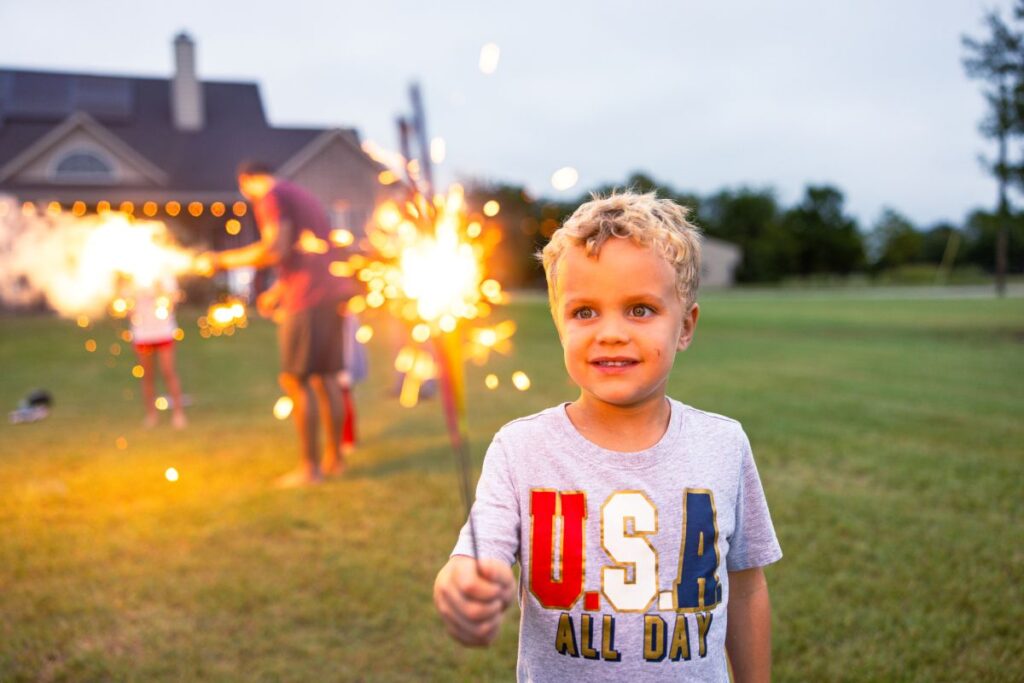
Many of those injuries can be prevented by following basic safety precautions. Richardson encourages families to carefully follow manufacturer instructions, never hold fireworks that are intended to remain on the ground, keep fireworks pointed away from people and structures, and avoid approaching a firework until it has completely finished burning. He also reminds parents to supervise children closely around all fireworks, including sparklers, which can become hot enough to cause serious burns.
“Most fireworks are designed to be used a certain way,” Richardson said. “Following those safety guidelines can go a long way toward preventing injuries.”
When a Burn Requires Emergency Care
Not every burn requires hospitalization, but Richardson encourages people not to ignore injuries.
“If it hurts, it needs to get checked out,” he said. “If it blisters or becomes numb, that’s even more concerning.”
He recommends seeking immediate medical attention for burns involving the face, eyes, lips, mouth, hands, feet or genital area. Burns that wrap around an arm or leg, singed facial hair, burns inside the nose or mouth, or any concern about smoke inhalation should also be evaluated right away.
Some firework injuries may appear minor initially but become more serious over time.
“When burns involve the face, we’re concerned about injuries to the eyes and airways,” Richardson said. “Swelling from inhalation injuries isn’t always immediately apparent.”
When in doubt, he advises patients to seek medical evaluation.
For patients whose injuries require ongoing treatment after the initial emergency visit, Stillwater Medical’s Dorothy Blackwell Wound Care and Hyperbaric Clinic provides specialized care for burns and other difficult-to-heal wounds. The clinic’s senior manager, Carrie Walling, says their multidisciplinary team develops individualized treatment plans designed to promote healing, reduce the risk of infection, and help patients recover as quickly as possible.
“When accidents do happen, prompt treatment and appropriate follow-up care can make a significant difference in recovery. We’re here to help patients navigate the healing process and get back to the activities they enjoy,” Walling said.
Protect Yourself from the Summer Heat
Fireworks aren’t the only holiday hazard. With temperatures frequently climbing into the 90s, heat-related illnesses become more common during outdoor celebrations.
Stillwater Medical Center sees an increase in patients experiencing dehydration, heat exhaustion and other heat-related concerns throughout the summer. Richardson encourages people to drink plenty of water, take breaks in the shade or air conditioning, and pay attention to warning signs such as dizziness, nausea, confusion or unusual fatigue.
Sun exposure can also take a toll during a day spent outdoors. Richardson recommends applying sunscreen before heading outside and reapplying it regularly, especially after swimming or excessive sweating. Wearing lightweight clothing, sunglasses and a wide-brimmed hat can provide additional protection from harmful UV rays.
The Fourth of July is a time for celebrating with family, friends and neighbors, Richardson said, and a little preparation can help keep everyone safe.
“Nobody wants to spend their holiday in the emergency room,” he said. “Taking a few extra precautions can make all the difference and help ensure everyone gets home safely at the end of the day.”