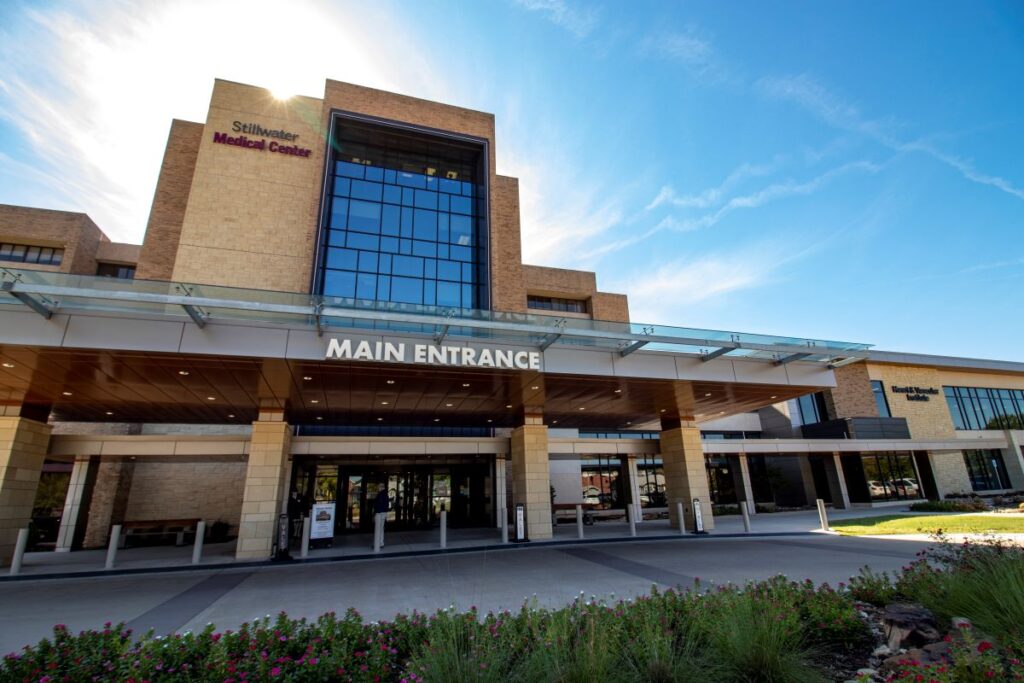
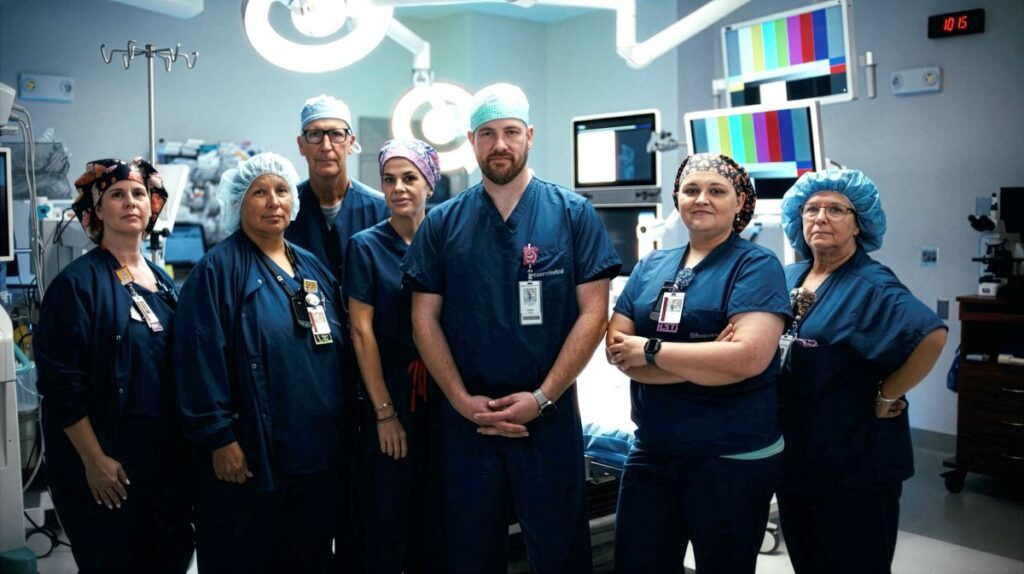

In the fight against lung cancer, time is everything. Early detection can mean the difference between a treatable condition and a terminal diagnosis. That’s why Stillwater Medical is investing in cutting-edge technology and strengthening its partnership with the Stillwater Cancer Center—to ensure patients receive fast, accurate diagnoses and immediate access to treatment.
Lung cancer remains the leading cause of cancer-related deaths in the U.S., and Oklahoma ranks among the lowest in five-year survival rates. But Stillwater Medical is working to change that narrative with the introduction of the Ion Endoluminal System, a robotic-assisted bronchoscopy platform that allows doctors to reach deep into the lungs with unprecedented precision.
“What the Ion allows us to do is go after nodules that are more peripheral in the lungs and diagnose them earlier,” said Dr. Daniel Roton, pulmonologist at Stillwater Medical. “Cancer is a disease where time is everything.”
Traditional CT-guided biopsies often come with higher complication risks and longer wait times. The Ion system, however, uses shape-sensing technology and 3D imaging to navigate all 18 segments of the lung, enabling minimally invasive biopsies with a high diagnostic yield—83% according to recent studies. This means patients can move from detection to diagnosis in days, not weeks.
The collaboration between Stillwater Medical and the Stillwater Cancer Center ensures that once a diagnosis is made, treatment begins without delay. Patients benefit from a seamless transition into care, including surgery, chemotherapy, and radiation therapy—all available locally.

Dr. Roton emphasized the importance of this integrated approach: “By providing this technology here, we’re keeping our patients from having to wait to be seen in Oklahoma City or Tulsa, which can make a real impact on survival rates.”
The Stillwater Cancer Center complements this effort with a full spectrum of oncology services, including personalized treatment planning, infusion therapy, and access to national clinical trials. The center’s commitment to compassionate, team-based care means patients are supported emotionally and physically throughout their journey.
“The diagnosis of cancer brings a lot of stress for the patient and family,” said Dr. Venkata Vosuri, oncology and hematology specialist at the Stillwater Cancer Center. “As a member of the cancer care team, I bring hope. When we catch lung cancer early, there’s a high chance for cure.”
This November, as Lung Cancer Awareness Month comes to a close, Stillwater Medical is promoting early detection. Lung cancer screenings are recommended for individuals aged 50 to 80, especially those with a history of smoking or exposure to occupational hazards. With Oklahoma’s lung cancer survival rates below the national average, initiatives like Stillwater Medical’s are vital in bridging the gap and saving lives.
One such patient, David Altman, discovered stage 1 adenocarcinoma thanks to a low-dose CT scan. He was quickly treated with surgery and received chemotherapy at the Stillwater Cancer Center.
“That scan added years to my life,” Altman said. “I expected a clean report, but instead, I got a second chance.”
With advanced technology and a collaborative care model, Stillwater Medical is setting a new standard for lung cancer diagnosis and treatment in Oklahoma. Their message is clear: early detection saves lives, and with the right tools and teamwork, patients can receive world-class care close to home. Learn more at www.stwmedical.com/pulmonology.